
Professional body piercing
Piercing done properly
Every piercing carried out with implant-grade titanium (ASTM F136) jewellery, sterile single-use needles, and a clean, professional environment. No shortcuts, no compromise.
Why jewellery and technique matter
Most piercing complications — infections, rejection, prolonged healing — come down to two things: poor technique and low-grade jewellery. Cheap steel, mystery alloys, and plated metals leach nickel and other irritants into fresh piercings, causing reactions that are often mistaken for infection.
We use implant-grade titanium (ASTM F136) as standard. It is the same material used in surgical implants — biocompatible, nickel-free, and the safest option for initial piercings. Combined with proper needle technique, it gives your piercing the best possible start.
Piercing placements
Not sure where each piercing sits? These diagrams show the exact positions for every placement we offer.
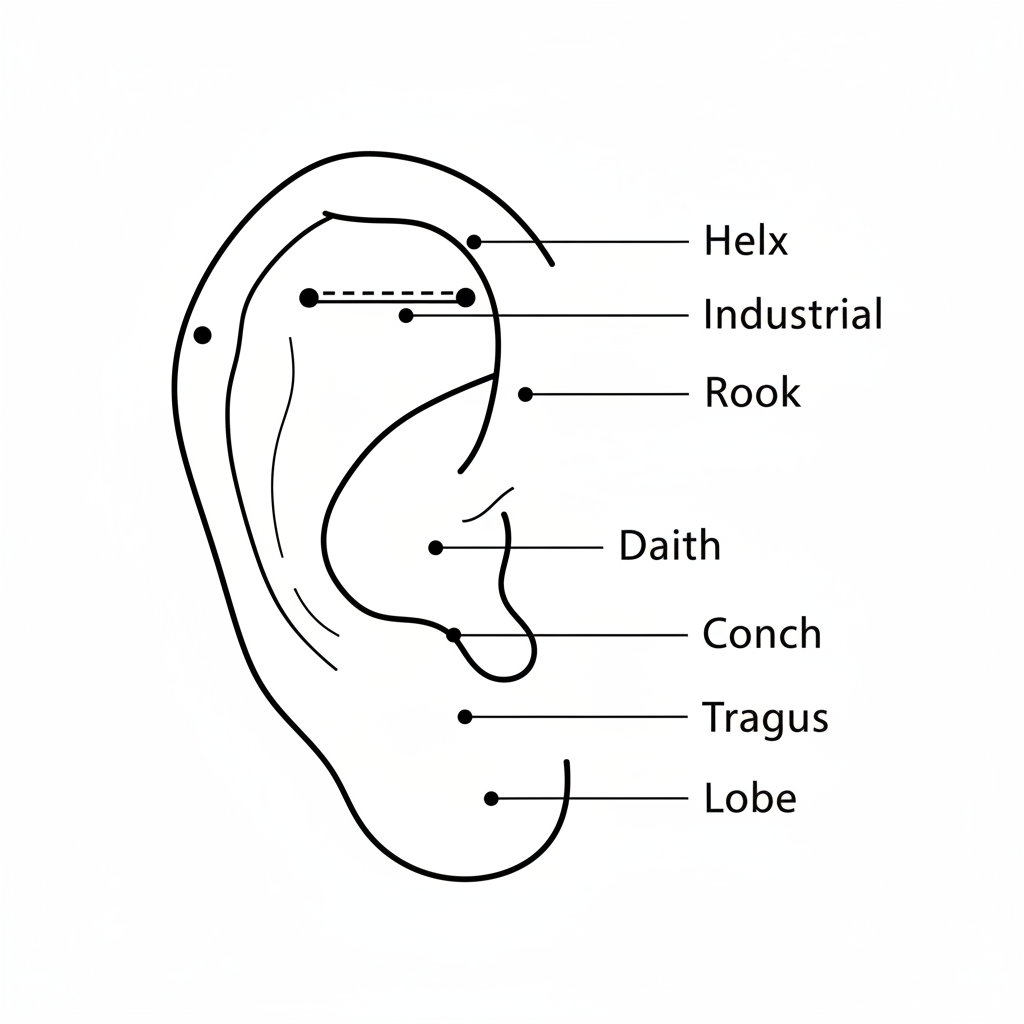
Ear piercings
Lobe · Helix · Rook · Daith · Tragus · Conch · Industrial
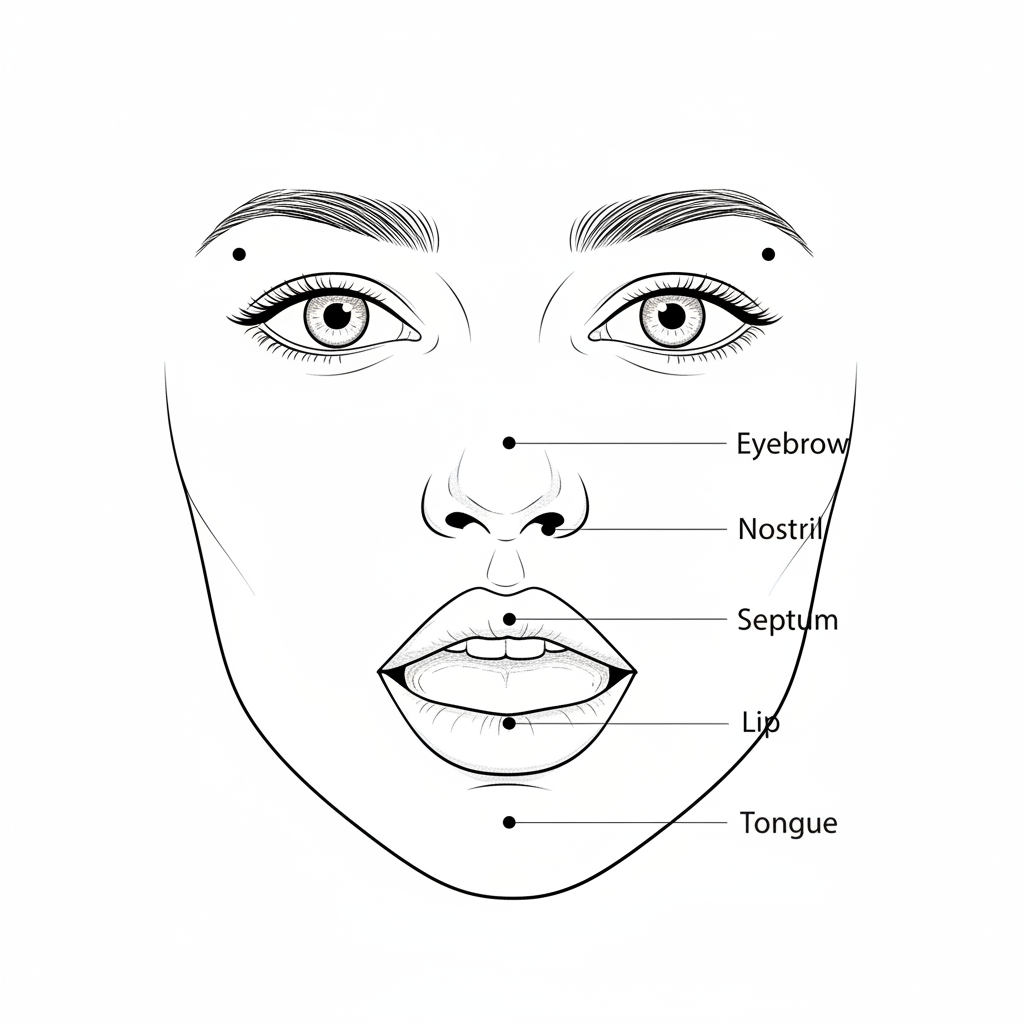
Facial piercings
Nose · Septum · Eyebrow · Lip · Tongue
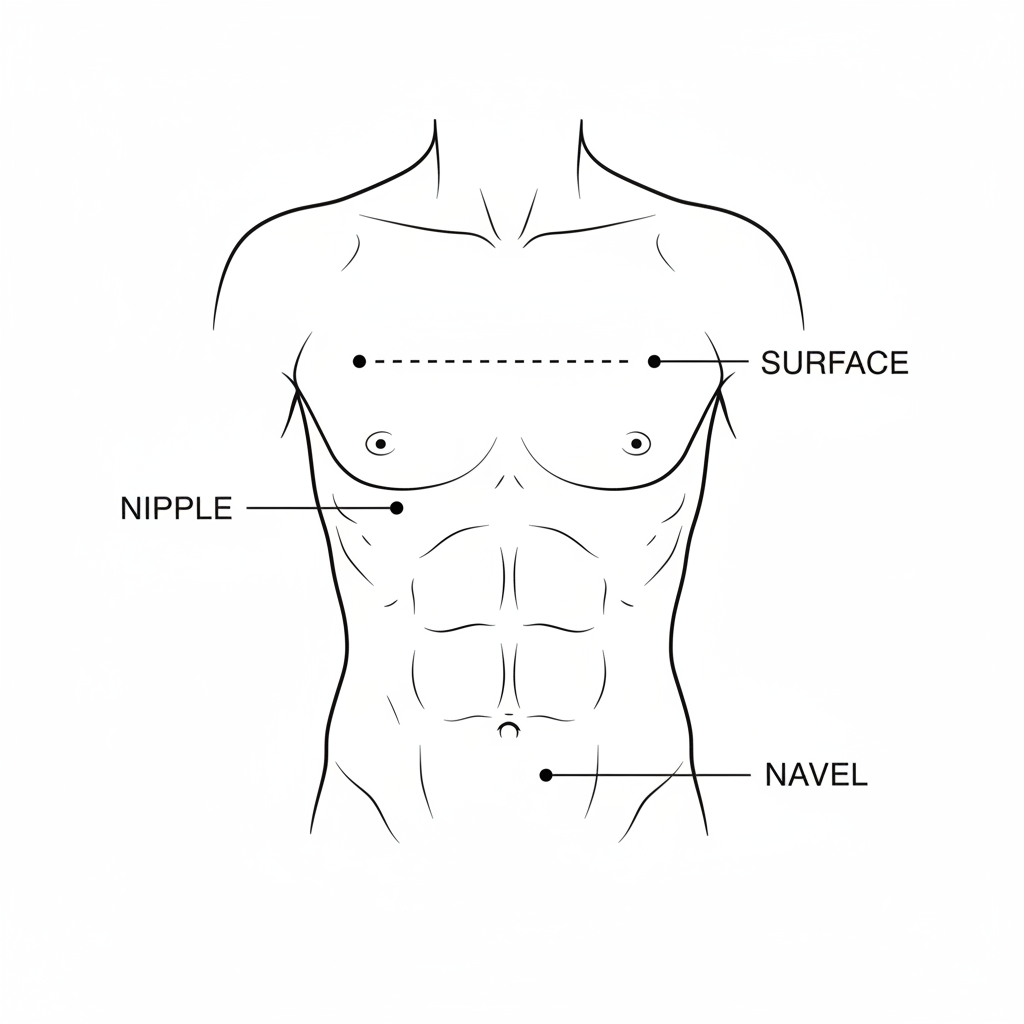
Body piercings
Navel · Nipple · Surface
Piercing types
All prices include implant-grade titanium starter jewellery. Upgrades available on request.
Ear piercings
Facial piercings
Body piercings
Aftercare
How you care for a new piercing determines how well it heals. Follow these steps and you'll give it the best chance.
Saline rinse twice daily
Use a sterile saline solution (0.9% sodium chloride) morning and evening. Spray directly onto the piercing and leave it — don't wipe or scrub.
Leave it alone
Don't twist, turn, or fiddle with the jewellery. This is one of the most common causes of irritation and delayed healing. The jewellery only needs to move when you're cleaning it.
Keep it dry
Avoid submerging new piercings in baths, swimming pools, hot tubs, or open water until fully healed. Shower rather than bathe where possible.
Avoid harsh products
No alcohol, hydrogen peroxide, Savlon, or tea tree oil on or near the piercing. These damage the healing tissue and slow recovery.
Watch for warning signs
Some redness and swelling in the first few days is normal. If you notice increasing pain, thick yellow or green discharge, or spreading redness after the first week, contact us.
Common questions
Ready to get in touch?
Send us an enquiry and we'll get back to you within 24 hours to arrange your piercing appointment at one of our studios across Leeds and Yorkshire.